What are the differences between cone crushers and hammer crushers?
Release time:
2024-12-25 16:18
Cone crushers and hammer crushers are common crushing equipment used to crush or pulverize raw materials. While both have similar functions, they differ significantly in design, application, and maintenance. This article will focus on the differences between cone crushers and hammer crushers, paying particular attention to wear parts for crushers and related issues.

1. Applicable Stage
Cone crushers are typically used in the secondary and tertiary crushing stages of a production line, particularly suitable for processing hard materials. Hammer crushers are more often used for primary crushing, and sometimes for secondary crushing. Some users have indicated that they only intend to use hammer crushers for simple crushing. Indeed, hammer crushers can complete crushing in one step, eliminating the need for secondary crushing, making them common in small and medium-sized production lines with lower requirements for finished product particle size. However, with prolonged use of hammer crushers, wear parts for crushers wear and tear is faster, requiring regular replacement, which increases maintenance costs.
2. Processed Materials
Cone crushers are suitable for processing high-hardness materials such as iron ore, basalt, granite, and pebbles. The crushing process of these materials places high demands on the wear resistance of the equipment, and the service life of crusher parts directly affects the operating efficiency of the equipment. Hammer crushers are suitable for medium-hardness or soft materials such as limestone, coal gangue, dolomite, and shale. When using hammer crushers to process hard materials, the hammers and other wear parts for crushers components will wear out quickly, requiring frequent replacement and increasing operating costs. Some users have even reported that when using hammer crushers to crush granite, the hammers must be replaced every 2 to 3 days, with each replacement costing potentially thousands of dollars.
3. Feed Size
Based on the applicable stages of cone crushers and hammer crushers, cone crushers have stricter requirements for feed size. Generally, the maximum feed size for cone crushers is around 300mm, while hammer crushers can handle larger materials, with a maximum feed size of up to 1200mm, suitable for primary crushing operations.
4. Output Specifications
Cone crushers are mainly used to process 05, 12, 13, 46, etc., types of stones, with output particle sizes typically between 10-50mm. Hammer crushers can not only perform coarse crushing but also fine crushing and sand making. Depending on the needs, the output particle size range of hammer crushers is wider, capable of producing both large coarse stones and sand below 5mm. However, the crushing process of hammer crushers will wear parts for crushers cause significant wear, so after prolonged use, these crusher parts need to be inspected and replaced promptly.
5. Sand Making Production Line
For hard rocks, cone crushers are typically used as secondary or tertiary crushing equipment, followed by a sand making machine for sand making or shaping. Hammer crushers can also be used as traditional sand making equipment, although their process is simpler, the finished product rate is lower, and over-crushing is prone to occur. In addition, the finished products processed by hammer crushers may have micro-cracks, affecting the quality and market price of the aggregates, so hammer crushers are now more often used as auxiliary sand making equipment. In this process, the quality and replacement frequency of crusher parts are crucial for equipment stability and cost control.
6. Initial Investment Cost
From the perspective of equipment price, the initial investment of a hammer crusher is lower than that of a cone crusher. Although the purchase cost of a hammer crusher is lower, during long-term use, due to the more severe wear of the hammers and other wear parts for crushers components when processing higher-hardness materials, the later replacement cost is relatively high. In contrast, the wear parts of cone crushers have a longer service life. Although the initial investment is higher, the maintenance cost is lower during the long-term operation of the equipment. Overall, the advantages of cone crushers in terms of wear parts make them more cost-effective in high-load, high-hardness material processing.
Crusher wear parts,Crusher parts,Sledgehammer,Difference between cone crusher and hammer crusher
RELATED INFORMATION

2025-04-11
60
2025-06-02
60

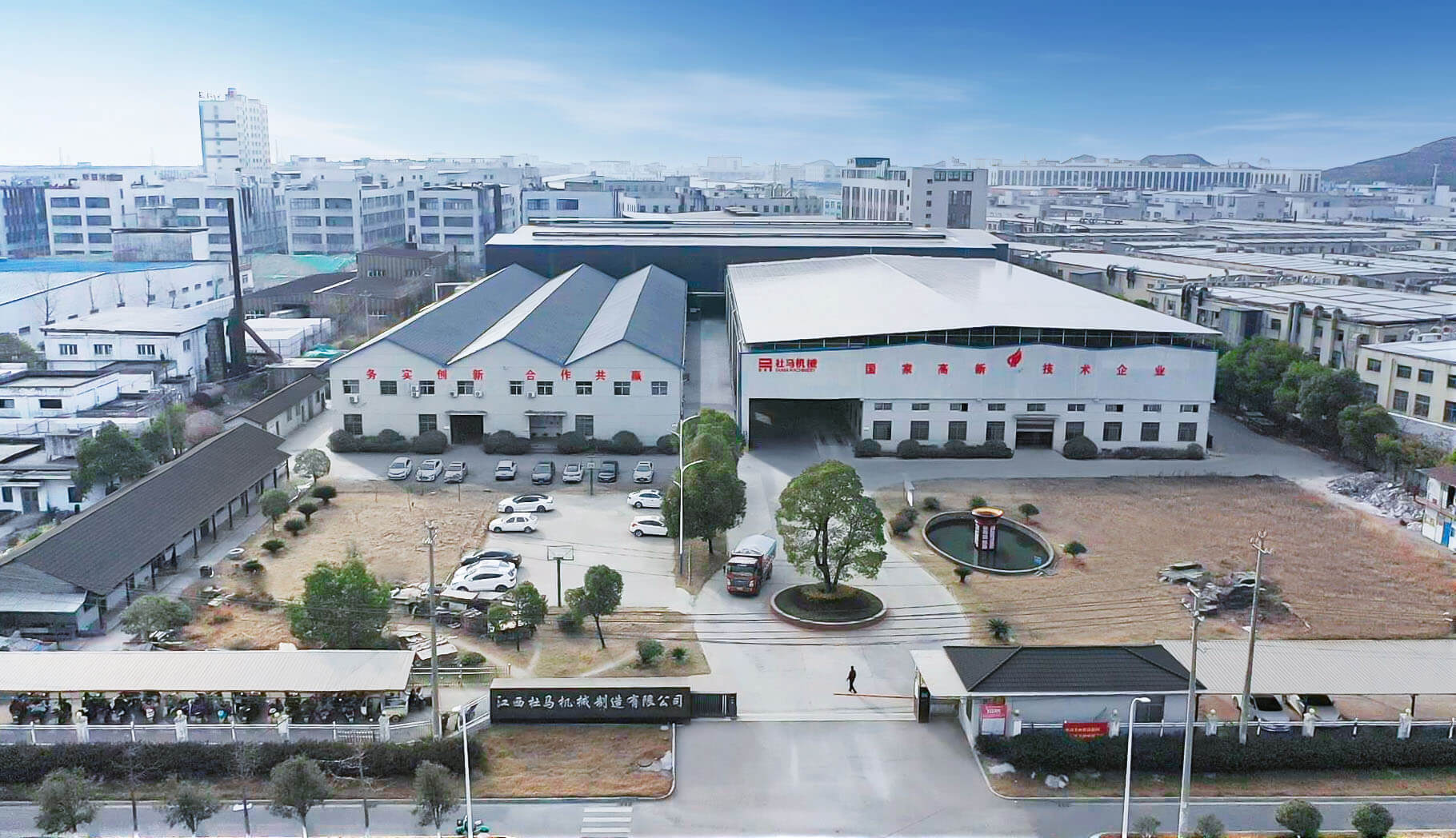
The main products of Duma Machinery include: rolling mortar wall, crushing wall and material dividing plate of cone crusher; jaw plate, side guard plate and pressing strip of jaw crusher; lining plate of ball mill, autogenous mill and other equipment; plate hammer and impact plate of impact crusher; hammer head, screen strip, lining block and other wear-resistant alloy steel parts of metal crusher.
Contact Information
Jiangxi Duma Machinery Manufacturing Co., Ltd.
Address: No.15, Jinhui Road, High-tech Zone, Yushan County, Jiangxi Province
Mobile:13957606188
Telephone:0793-2238555
Mailbox:ceo@dumajx.cn
Chinese website:Duma. Website Wear parts. Website

sweep
All rights reserved©2023 jiangxi duma machinery manufacturing co., ltd